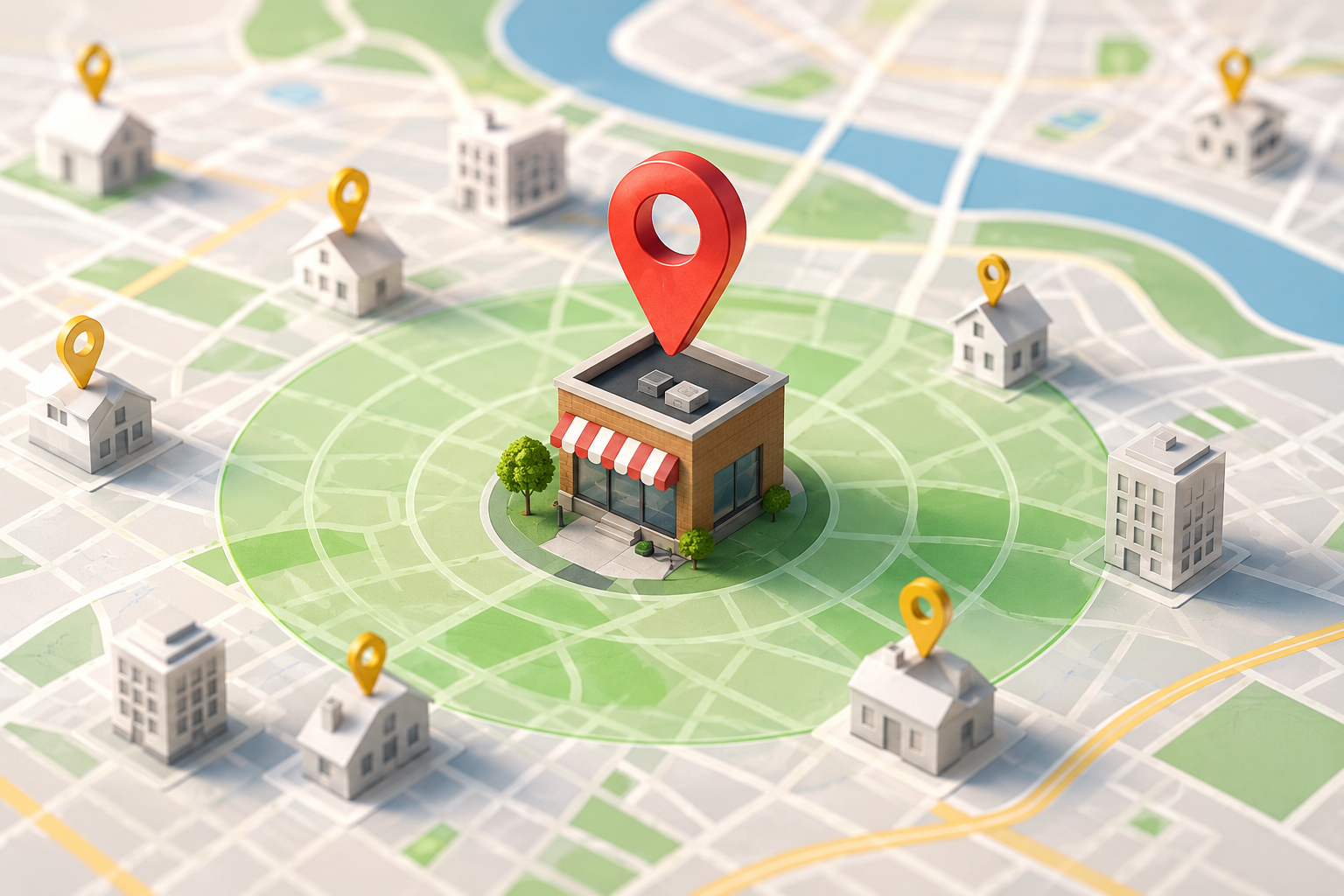
From Startup to Franchise: Why Some Entrepreneurs Choose Franchising Instead
Understanding the Advantages of Structured Entrepreneurship and Why More Founders Are Turning Toward Franchise Ownership

Starting a business is a dream shared by countless entrepreneurs. The independence, control, and creative freedom associated with entrepreneurship have long been celebrated as a pathway to financial and personal fulfillment. But building a startup from the ground up also requires enormous time, capital, and resilience. The risks are high, the early years are often volatile, and the lack of established systems can lead to unpredictable challenges. This is why an increasing number of entrepreneurs are shifting their focus away from launching independent startups and toward becoming franchise owners. Franchising has become a strategic alternative for driven individuals who want to run a business—but with more stability, support, and proven systems.
Organizations like The Great American Franchise Expo act as a bridge between aspiring entrepreneurs and the franchising world. By providing live access to franchisors, educational workshops, and hands-on guidance, TGAFE helps business-minded individuals discover whether franchising might be a better, more sustainable path than the traditional startup route. For many who attend, franchising becomes the clear choice due to its structured approach to ownership and its potential for scalable growth.
This article explores why so many entrepreneurs are choosing franchising instead of launching an independent startup, the advantages that set franchising apart, the kinds of individuals who thrive in franchise ownership, and how the model supports long-term success.
Why More Entrepreneurs Are Walking Away From the Startup Model
Entrepreneurs are known for their willingness to take risks, innovate, and disrupt industries. But in today’s economic environment, many founders face more barriers than ever before. High startup costs, market saturation, and increased competition mean that launching a new company can be challenging—often prohibitively so.
While entrepreneurship still offers tremendous potential, the landscape has changed, and the level of risk involved has grown. Many aspiring founders begin to realize that passion alone is not enough to guarantee survival, and that the day-to-day realities of startup life can be far harsher than expected.
Franchising offers a compelling alternative that maintains the benefits of business ownership without the unpredictability and instability of starting from scratch. It combines autonomy with guidance, vision with structure, and independence with proven operations.
To understand why more entrepreneurs are choosing this route, we must look at what differentiates franchising from traditional startups.
Established Systems Reduce the Guesswork
One of the biggest challenges of launching a startup is building everything from the ground up—branding, marketing, operations, customer acquisition, pricing structures, hiring systems, technology, financial processes, and more. Every decision is made without a blueprint, and every misstep comes at a cost.
Franchising eliminates much of this uncertainty. A franchise already has:
- A recognized brand
- A tested business model
- Standardized processes
- Training programs
- Proven operational systems
- Ongoing support
- Established marketing frameworks
For entrepreneurs who thrive on execution rather than experimentation, this structure is a major advantage.
Instead of spending years figuring out what works, franchise owners can focus on managing the business, building relationships, leading their teams, and driving growth. This significantly reduces the learning curve and accelerates the path to profitability.
For many attendees at TGAFE, this clarity is what makes franchising especially attractive. The ability to walk into a business with a complete operational playbook is a powerful shift from the chaotic world of startups.
Established Systems Reduce the Guesswork
One of the biggest challenges of launching a startup is building everything from the ground up—branding, marketing, operations, customer acquisition, pricing structures, hiring systems, technology, financial processes, and more. Every decision is made without a blueprint, and every misstep comes at a cost.
Franchising eliminates much of this uncertainty. A franchise already has:
- A recognized brand
- A tested business model
- Standardized processes
- Training programs
- Proven operational systems
- Ongoing support
- Established marketing frameworks
For entrepreneurs who thrive on execution rather than experimentation, this structure is a major advantage.
Instead of spending years figuring out what works, franchise owners can focus on managing the business, building relationships, leading their teams, and driving growth. This significantly reduces the learning curve and accelerates the path to profitability.
For many attendees at TGAFE, this clarity is what makes franchising especially attractive. The ability to walk into a business with a complete operational playbook is a powerful shift from the chaotic world of startups.
Built-In Brand Recognition Eliminates Early Market Barriers
Building brand awareness is one of the hardest parts of running a startup. New businesses must spend enormous amounts of time and money educating consumers about who they are, what they offer, and why they are trustworthy. It can take years for an independent company to establish itself within a community or industry.
Franchises, however, come with built-in brand recognition. Whether the brand is national, regional, or emerging, it already has:
- A known identity
- A reputation
- Approved brand messaging
- Consumer trust
- Marketing materials
- Established digital presence
- Social proof
This dramatically shortens the time it takes for customers to engage with the business—or even seek it out before it officially launches.
Entrepreneurs benefit from being associated with a brand that has already done the heavy lifting. This creates immediate momentum, allowing franchise owners to start strong rather than struggle to get noticed.
For many who explore opportunities at TGAFE, the appeal of stepping into a business with existing demand is a key factor in choosing franchising.
Franchise Support Systems Accelerate Growth
Startup founders often feel isolated. They shoulder every responsibility, solve every problem, and make every decision alone. The lack of mentorship and support can lead to burnout and stagnation.
Franchising flips this dynamic by providing ongoing support from experts who have already built successful operations.
Support may include:
- Detailed onboarding training
- Operational guidance
- Marketing assistance
- Technology systems
- HR resources
- Field support visits
- Annual conferences
- Peer networks of other franchisees
This support infrastructure significantly increases an owner’s confidence and capability. Instead of improvising, entrepreneurs receive real-time direction from teams who specialize in each aspect of the business. This can accelerate growth and improve profitability.
Many franchise brands also encourage collaboration between franchisees, creating a community of owners who share best practices, troubleshoot challenges, and celebrate wins together. This built-in network is often one of the most powerful components of the franchising experience.
Easier Scalable Growth Compared to Startups
Scaling an independent business is difficult. It requires the founder to replicate the model flawlessly, create standardized systems, and train new employees to duplicate the original success. Many startups struggle at this stage because the founder must balance operations with expansion, often without adequate support.
Franchise ownership naturally lends itself to scalability. The franchisor has already created the systems necessary to support multiple units, and franchisees can expand more quickly because:
- The model is already proven
- The infrastructure exists
- Training programs support new hires
- Marketing scales with additional locations
- The brand has recognition across regions
- Expansion financing may be easier to secure
Entrepreneurs who dream of owning multiple businesses often find franchising to be a faster and more predictable route to multi-unit growth.
This is a major reason many growth-oriented attendees at TGAFE choose franchising over startups. The path to expansion is already built into the model.
Entrepreneurs Can Still Innovate Within a Franchise System
Some entrepreneurs worry that franchising will limit their creativity or business freedom. While the brand does require owners to follow established systems, this does not eliminate opportunities for innovation.
Franchise owners often innovate in areas like:
- Local marketing strategies
- Community partnerships
- Customer engagement
- Hiring and leadership styles
- Cultural improvements
- Operational efficiencies
- Local sponsorships and outreach
The structure provides the foundation, but owners still shape the culture and experience of their specific location.
Many entrepreneurs find that franchising allows them to express their leadership and vision in more meaningful ways than a startup—without the chaos of building everything from scratch.
A Franchise Provides a Faster Path to Business Ownership
Launching a startup can take months or even years. Between planning, funding, branding, location scouting, hiring, marketing, and build-out, the process is long, stressful, and filled with uncertainty.
Franchising significantly compresses this timeline.
Most franchisors offer:
- Site selection support
- Build-out guidance
- Vendor recommendations
- Pre-approved marketing strategies
- Launch-day support teams
- Startup checklists
The timeline from signing a franchise agreement to opening day is far more structured and predictable. For entrepreneurs eager to begin earning revenue and building their future, franchising provides a faster on-ramp to ownership.
Values Alignment Becomes Easier to Identify
Entrepreneurs often choose startups because they want to build something meaningful and aligned with their personal values. But finding a franchise that reflects your mission and purpose can be just as fulfilling.
Many franchise brands today emphasize values such as:
- Community involvement
- Health and wellness
- Sustainability
- Education
- Social responsibility
- Service-oriented impact
At TGAFE, entrepreneurs can meet founders and leadership teams directly—giving them a chance to evaluate whether the brand’s values and mission align with their own. This transparency is a major advantage missing from many startup journeys.
Predictable Operations Support Long-Term Stability
Startups often face instability in their early years—fluctuating revenue, operational challenges, shifting markets, and unclear processes. Franchises offer more predictable operations because:
- Suppliers are established
- Vendors are tested
- Hiring guidelines are standardized
- Training materials are refined
- Marketing campaigns are pre-built
- Costs are more predictable
This consistency reduces the emotional and financial strain that independent founders often face. For many, it’s the difference between surviving and thriving.
The Franchise Model Supports Many Different Lifestyles
Entrepreneurs come from all walks of life. Some want a full-time commitment. Others want freedom to travel. Some want to build wealth quietly. Others want to grow rapidly and own multiple locations.
Franchising supports all of these lifestyles.
A prospective owner can choose a model that fits:
- Active, hands-on involvement
- Semi-absentee ownership
- Absentee or investor-level involvement
- Seasonal business models
- Multi-unit scaling
- Part-time operational demands
This flexibility is a major reason many entrepreneurs choose franchising over traditional startups, which often require intense hands-on involvement in the early years.
Conclusion: Franchising Is Becoming the Smart Alternative to Traditional Startups
Entrepreneurs today increasingly recognize that launching a startup is not the only—or even the best—path to business ownership. Franchising offers a compelling alternative that blends independence with support, creativity with structure, and ambition with stability. It provides entrepreneurs the opportunity to grow, innovate, lead, and build wealth—without the unpredictability and risk associated with building a business from scratch.
Organizations like The Great American Franchise Expo continue to empower entrepreneurs by helping them explore franchise opportunities, connect with franchisors, and gain the insight needed to make confident and informed decisions. For many, attending TGAFE is the turning point that reveals franchising as the smarter, more aligned path for their goals and future.
Choosing franchising instead of launching a startup isn’t about taking the easy route—it’s about choosing a proven, scalable model that supports long-term success. And for today’s entrepreneurs, it’s a path that’s becoming more attractive than ever.