What Makes a Great Franchise Territory? 7 Things to Research Before You Invest
The right franchise matters—but so does where you open it. Here are seven factors every prospective franchise owner should evaluate before committing to a territory.
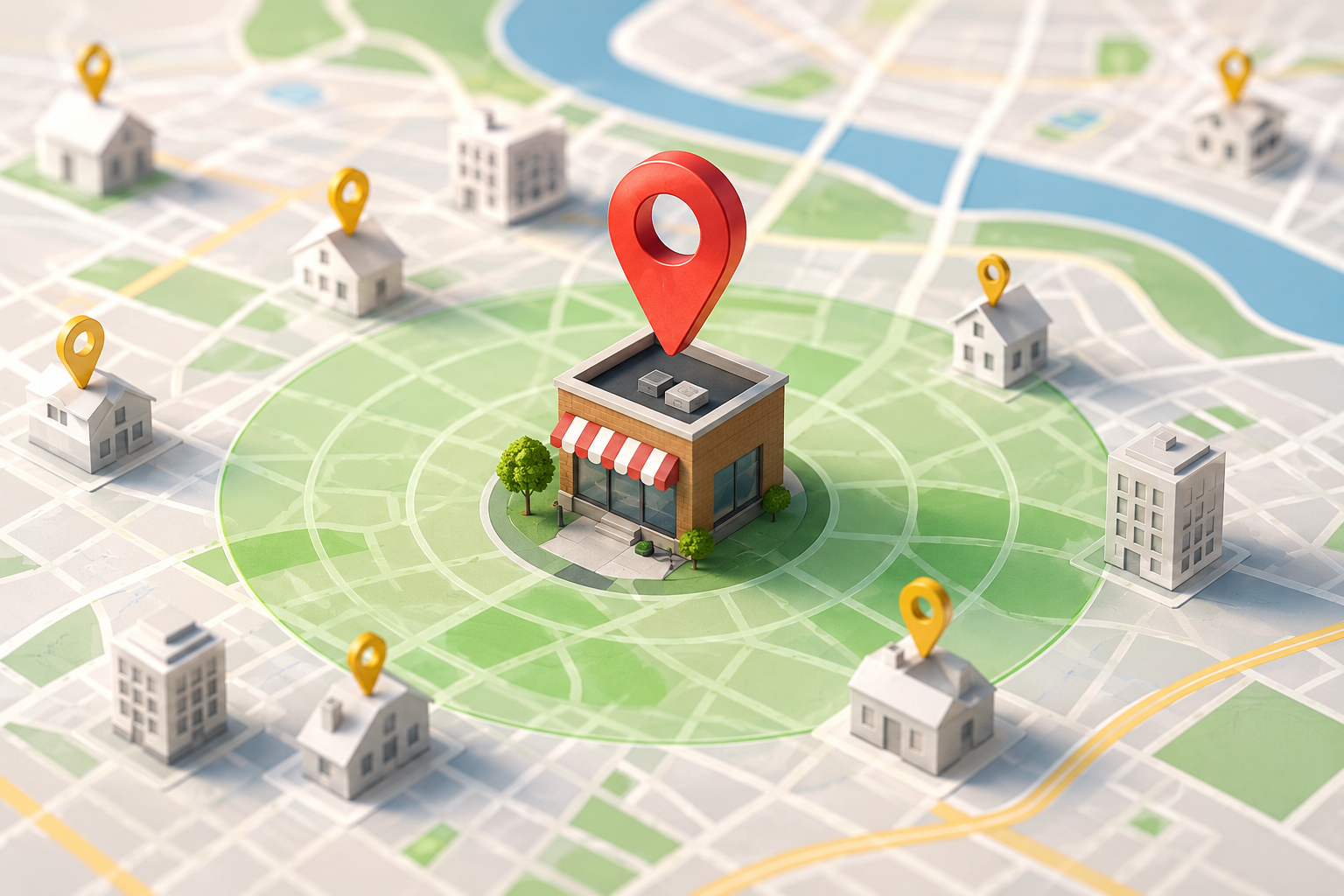
Choosing the right franchise is one of the biggest decisions you’ll make on the path to business ownership. But there’s another decision that can be just as important: choosing the right territory.
A proven franchise concept can give you an established brand, operating systems, training, marketing resources, and ongoing support. What it cannot guarantee is that every market will perform exactly the same way.
The same franchise may have very different opportunities in two neighboring cities—or even two different parts of the same metropolitan area.
Population, household income, competition, traffic patterns, real estate costs, local growth, and dozens of other factors can influence the potential of a franchise territory. Even the way a franchisor defines and protects your territory deserves careful consideration.
That’s why territory research should be an important part of your due diligence before you sign a franchise agreement.
At The Great American Franchise Expo, prospective franchise owners can meet franchise brands face-to-face and ask questions about available markets, territory structure, site selection, investment requirements, training, and support. Whether you're just beginning to explore franchise ownership or have already narrowed your search to a few brands, understanding what makes a strong territory can help you evaluate opportunities more confidently.
Here are seven areas worth researching before you invest.
1. Understand Who Your Ideal Customer Is
A large population doesn't automatically make a territory a great one.
What matters is whether enough of the right people live, work, shop, or spend time there.
Before evaluating a territory, make sure you understand the franchise's target customer. Depending on the concept, important demographic factors could include:
- Age
- Household income
- Family size
- Homeownership
- Education
- Employment
- Population density
- Number of children
- Number of seniors
- Number of businesses
- Consumer spending patterns
A children's enrichment franchise, for example, may be especially interested in territories with growing numbers of families with young children. A premium fitness concept may focus more heavily on household income and population density. A senior care franchise will naturally evaluate a different demographic profile.
For B2B franchises, residential population might be less important than the number and type of businesses operating within the territory.
The U.S. Small Business Administration recommends evaluating factors including demand, market size, economic indicators, customer location, market saturation, and pricing as part of market research.
Ask the franchisor what characteristics its strongest existing markets share. Does the company have a defined customer profile? What demographic benchmarks does it use when evaluating new territories?
The goal isn't simply to find a busy area. It's to find an area containing enough potential customers who match the concept.
2. Look at Population Growth, Not Just Population Size
Today's population numbers only tell part of the story.
A territory with 100,000 residents might look attractive, but what if its population has steadily declined for the past decade? Meanwhile, another territory with 70,000 residents may be adding thousands of new households each year.
Growth can change the long-term potential of a market.
Look for indicators such as:
- Population growth
- New housing developments
- Apartment construction
- Business openings
- New schools
- Infrastructure projects
- Commercial development
- Employment growth
- Migration trends
Pay particular attention to what's being built.
A new residential development containing thousands of homes could create future demand for home services, fitness, children's services, pet care, restaurants, automotive services, and other franchise categories.
Likewise, new corporate offices or industrial developments could increase daytime population and create opportunities for B2B and consumer-facing businesses.
However, rapid growth can have downsides too. Real estate prices may increase. Competition may enter quickly. Roads and infrastructure may struggle to keep pace with development.
Think beyond the question, "Is this a good market today?"
Ask, "What could this market look like five or ten years from now?"
Franchise agreements often represent long-term commitments. Your territory research should have a similarly long-term perspective.
3. Study the Competitive Landscape
Competition isn't necessarily bad.
In fact, some competition can validate demand.
If several successful fitness businesses operate in an area, for example, that may demonstrate strong consumer interest in fitness rather than automatically suggesting the market is oversaturated.
The more important question is whether there is room for your concept to differentiate itself.
Start by identifying direct competitors offering essentially the same product or service. Then expand your research to indirect competitors that solve the same customer problem differently.
Consider:
- How many competitors operate within the territory?
- Where are they located?
- How long have they been operating?
- How strong are their customer reviews?
- What do they charge?
- What services do they offer?
- What appears to differentiate them?
- Are new competitors entering the market?
- Have similar businesses recently closed?
The SBA recommends assessing factors such as competitors' market share, strengths and weaknesses, barriers to entering the market, and indirect or secondary competitors when conducting competitive analysis.
Talk with the franchisor about competition as well.
An experienced franchise development team should understand which brands typically compete with its franchisees and how the concept positions itself against them.
Existing franchisees can also be valuable sources of information. Ask owners what their competitive landscape actually looks like and whether the competition they experienced after opening matched what they expected beforehand.
4. Evaluate Accessibility, Visibility, and Customer Behavior
A great demographic profile doesn't automatically translate into a great location.
You also need to understand how customers move through the territory.
For location-based franchises, factors such as traffic, parking, visibility, nearby businesses, commute patterns, and ease of access can significantly influence customer behavior.
Imagine two locations on the same busy road.
One is highly visible, easy to enter from either direction, and located near businesses that attract the same target customers.
The other sits behind another building, has limited signage, and requires drivers to make an inconvenient U-turn.
On a demographic report, the locations may look nearly identical. From the customer's perspective, they are very different.
The importance of physical location also varies considerably by franchise model.
A restaurant may depend heavily on traffic and visibility. A home-service franchise may operate from an industrial or office location customers rarely visit. A mobile franchise may care more about drive times throughout the territory than storefront traffic.
Ask how customers typically discover and interact with the business.
Do they walk in?
Schedule appointments?
Order online?
Call for service?
Travel from home?
Visit on their commute?
Understanding customer behavior helps you determine which geographic characteristics actually matter.
If the franchise requires a physical location, find out how much site-selection assistance the franchisor provides.
Some brands offer demographic analysis, real estate support, site approval, lease guidance, or other resources to help franchisees evaluate potential locations.
5. Research Real Estate, Labor, and Operating Costs
A territory can have excellent demand and still be financially challenging if operating costs are too high.
Real estate is an obvious example.
Two territories with similar populations and household incomes may have dramatically different lease rates. Those differences can significantly affect the economics of a location-based franchise.
But rent is only one consideration.
Research potential costs such as:
- Commercial rent
- Common area maintenance fees
- Utilities
- Insurance
- Property taxes
- Local wages
- Hiring costs
- Construction and buildout
- Permits
- Licensing
- Local marketing
- Transportation
- Parking
Labor deserves particular attention if the franchise requires a substantial team.
Is there an adequate labor pool nearby? What wages are competing employers offering? Is employee turnover especially high in the market?
A concept that requires 20 employees has very different territory requirements from one that can operate with an owner and two team members.
Don't evaluate potential revenue without also considering what it may cost to generate that revenue.
The FTC also advises prospective franchise buyers to investigate initial and ongoing expenses and recognize that starting a franchise can take months and reaching break-even can take considerably longer.
When speaking with existing franchisees, consider asking owners in geographically comparable markets about operating costs—not just revenue.
6. Understand Exactly How Your Franchise Territory Is Defined
One of the most important parts of territory research isn't about demographics at all.
It's about your franchise agreement.
Franchise territories can be structured in many different ways. A territory might be based on:
- ZIP codes
- County boundaries
- Population
- Households
- A radius around a location
- Drive time
- Customer accounts
- Business counts
- Geographic landmarks
- A combination of factors
You should understand exactly what you're receiving.
The Franchise Disclosure Document is especially important here. The FTC identifies Item 12 of the FDD as the section addressing territory and customer restrictions. It can include information about whether a franchisee receives an exclusive or protected territory, limitations on where the franchisee may operate, and whether the franchisor or other franchisees can serve customers within that territory through other channels.
Don't assume "protected territory" means nobody associated with the brand can ever compete for customers in your area.
For example, a franchisor may reserve certain rights involving online sales, alternative distribution channels, nontraditional locations, national accounts, or other sales methods depending on the franchise agreement.
The FTC specifically notes that even when a franchisee has an exclusive or protected territory, that protection may not necessarily cover every form of competition from the franchisor.
Ask specific questions:
How is my territory determined?
Can another franchisee open nearby?
Can the franchisor operate company-owned locations nearby?
What happens if the population grows?
Can I market outside my territory?
Can another franchisee market inside mine?
How are online leads handled?
How are national or regional accounts assigned?
Can territory boundaries change?
Do I have rights to purchase adjacent territories?
This is also an area where consulting an experienced franchise attorney can be valuable. Territory rights are contractual, and you want to understand those rights before making a long-term investment.
7. Compare the Territory With Successful Existing Franchise Markets
One of the best ways to evaluate a potential franchise territory is to compare it with markets where the concept is already operating successfully.
Instead of evaluating your market in isolation, ask the franchisor:
Which existing territories are most similar to mine?
Look for similarities involving:
- Population
- Household income
- Population density
- Climate
- Urban vs. suburban environment
- Real estate costs
- Competition
- Customer demographics
- Employment patterns
- Market size
Then speak with franchisees operating in those markets.
Ask what surprised them after opening. Was demand stronger or weaker than expected? Where do most customers come from? Did staffing prove difficult? Did competitors respond to their arrival? Would they choose the same territory again?
This comparison becomes especially important when evaluating financial information.
The FTC specifically recommends considering the geographic relevance of financial performance information. If a franchisor provides sales or income figures, prospective owners should determine whether those results came from franchisees operating in areas comparable to their proposed location.
A franchise location performing exceptionally well in a dense urban market doesn't necessarily demonstrate how the concept will perform in a smaller suburban territory—and vice versa.
The closer you can get to an apples-to-apples comparison, the more useful the information becomes.
A Great Territory Is About Fit, Not Just Size
There isn't one formula that defines the perfect franchise territory.
A huge population isn't automatically better.
A wealthy ZIP code isn't automatically better.
A fast-growing suburb isn't automatically better.
The best territory is one where the franchise concept, target customer, competition, operating costs, location requirements, and territory structure work together.
That's why territory evaluation shouldn't happen at the very end of the franchise buying process. It should be part of your research from the beginning.
As you compare franchise opportunities, ask brands not only whether your preferred territory is available, but why they believe that territory makes sense for their concept.
Ask what data they use.
Ask how they select markets.
Ask what their successful territories have in common.
Ask how they protect franchisees geographically.
And then conduct your own research rather than relying on a single source.
Find the Right Franchise—and the Right Market
Franchise ownership is about much more than finding a brand you like. You're choosing a business model, an investment, a support system, and a market in which you'll build that business.
Taking the time to research your territory can help you understand both the opportunity and the potential challenges before you commit.
At The Great American Franchise Expo, you can meet franchise brands from a wide range of industries, learn about available opportunities, and ask franchise development teams directly about territory availability, market selection, investment requirements, training, and support. The Expo also provides educational opportunities designed to help prospective owners better understand important aspects of franchise ownership.
Come prepared with questions.
Ask brands how they evaluate territories. Find out what data they can provide. Compare several concepts and learn how their approaches differ.
Because finding the right franchise is only part of the equation.
Finding the right place to build it can be just as important.