Health & Wellness Franchises: A 2026 Opportunity Breakdown
Why Preventative Health, Recovery, and Lifestyle-Driven Businesses Are Leading the Next Franchise Boom
Introduction: Why Wellness Is the Franchise Opportunity Everyone Is Watching
If there’s one industry dominating conversations among entrepreneurs in 2026, it’s health and wellness.
From boutique recovery studios to nutrition-focused concepts and mental health services, the definition of “wellness” has expanded—and so has the opportunity. What was once a niche category is now one of the largest and fastest-growing sectors in the global economy.
For aspiring business owners attending The Great American Franchise Expo, this shift is impossible to ignore. Franchise opportunities today aren’t just about food or retail—they’re increasingly centered around helping people live healthier, longer, and more balanced lives.
And the numbers back it up.
The global wellness market is estimated to be worth between $7.8 trillion and $8.5 trillion in 2026, with steady annual growth projected for years to come.
Even more compelling, the industry is expected to approach $9–10 trillion by the end of the decade, signaling long-term demand rather than a passing trend.
So what does this mean for franchise investors?
It means the opportunity is massive—but also evolving quickly.
This breakdown will explore what’s driving the growth of health and wellness franchises in 2026, the most promising business models, and what prospective owners should know before investing.
The Wellness Boom: A Fundamental Shift in Consumer Behavior
Health and wellness is no longer a luxury—it’s a priority.
Today’s consumers are investing more in:
- Preventative care instead of reactive healthcare
- Daily habits that support long-term vitality
- Experiences that improve mental and physical well-being
In fact, around 40% of people now consider wellness a top daily priority, reflecting a major cultural shift.
This shift is being driven by a combination of factors:
- Increased awareness of lifestyle-related health issues
- Rising stress levels and burnout
- An aging population focused on staying active longer
- Younger generations prioritizing wellness earlier in life
Wellness has become part of everyday routines—not just something people think about occasionally. And that’s exactly what makes it such a powerful business opportunity.
The Evolution of Wellness Franchises
One of the biggest misconceptions about wellness franchising is that it’s all about gyms.
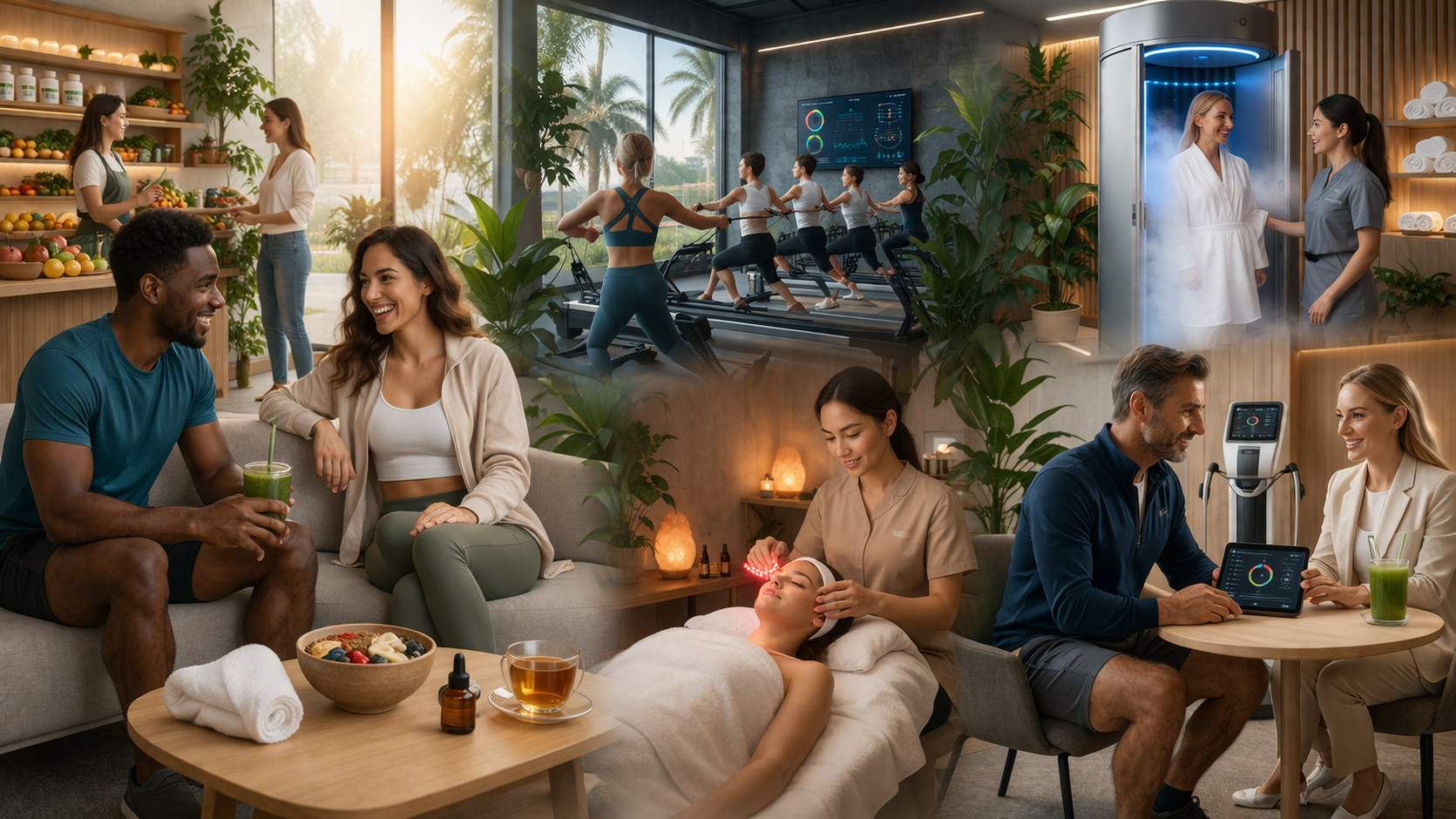
While traditional gyms still play a role, the industry has expanded far beyond that. In 2026, wellness franchising is diverse, innovative, and experience-driven.
Today’s concepts include:
- Boutique fitness studios with specialized classes
- Recovery centers focused on muscle repair and performance
- Juice bars and nutrition-based businesses
- Medspas offering aesthetic and wellness services
- Mental wellness and stress management concepts
- Holistic health and lifestyle brands
Consumers are no longer looking for one-size-fits-all solutions. They want targeted, personalized experiences that align with their specific goals.
This shift has opened the door for a wide range of franchise models—many of which are more flexible and scalable than traditional gym concepts.
Key Growth Segments in 2026
Recovery and Regeneration Studios
Recovery is one of the fastest-growing areas in the wellness space.
These businesses focus on helping clients recover faster, reduce pain, and improve performance through services like:
- Cryotherapy
- Infrared sauna sessions
- Compression therapy
- Assisted stretching
What makes recovery franchises especially attractive is their simplicity and repeatability. Clients often visit multiple times per week, creating consistent, recurring revenue.
Additionally, these concepts typically require less space and fewer staff members than full-scale fitness centers, making them easier to manage and scale.
Nutrition and Functional Food Concepts
Nutrition is at the core of wellness, and consumers are paying closer attention to what they eat than ever before.
This has led to the rise of:
- Smoothie and juice bars
- Superfood cafés
- Health-focused quick-service concepts
- Functional beverage brands
These businesses align with daily habits, which is a huge advantage. Unlike occasional services, food and beverage concepts benefit from frequent customer visits.
They’re also relatively straightforward to operate, making them appealing to first-time franchise owners.
Mental Wellness and Stress Management
Mental health has become a central part of the wellness conversation.
In 2026, more consumers are seeking ways to manage stress, improve focus, and maintain emotional balance. This has created demand for services like:
- Meditation and mindfulness studios
- Breathwork sessions
- Coaching and personal development programs
- Relaxation-focused environments
These concepts often emphasize experience and atmosphere, creating a strong emotional connection with customers.
As awareness continues to grow, mental wellness is expected to remain a major area of expansion within the franchise space.
Hybrid Wellness Models
One of the most interesting developments in the industry is the rise of hybrid concepts.
These businesses combine multiple services under one roof, such as:
- Fitness and recovery
- Nutrition and coaching
- Wellness and aesthetic treatments
By offering a more comprehensive experience, hybrid models create multiple revenue streams and increase customer retention.
They also position themselves as “one-stop shops” for wellness, which is highly appealing to today’s time-conscious consumers.
Technology and Personalization Are Driving Growth
Another major factor shaping wellness franchising in 2026 is technology.
Consumers no longer want generic programs—they expect personalized experiences that reflect their individual needs.
This is being made possible through:
- Wearable devices that track health metrics
- Apps that monitor progress and habits
- AI tools that provide customized recommendations
- For franchise owners, this creates several advantages:
- Stronger customer engagement
- Higher retention rates
- Opportunities to offer premium services
Personalization is no longer a bonus—it’s becoming the standard.
Why Wellness Franchises Appeal to Investors
So why are so many entrepreneurs turning to health and wellness franchises?
Recurring Revenue Potential
Many wellness businesses are built around memberships or repeat services. This creates predictable income and long-term customer relationships.
Whether it’s weekly recovery sessions or daily smoothie purchases, these models benefit from consistent demand.
Community-Driven Experiences
Wellness businesses often become more than just service providers—they become communities.
Customers return not just for results, but for:
- Motivation
- Accountability
- Social interaction
This sense of connection increases loyalty and keeps people coming back.
Alignment With Long-Term Trends
Unlike industries driven by short-term trends, wellness is tied to fundamental human needs.
As people continue to prioritize health and longevity, demand for these services is expected to grow for years to come.
Flexible and Scalable Models
- Many wellness franchises offer:
- Smaller physical footprints
- Lower staffing requirements
- Streamlined operations
This makes them easier to manage and expand, especially for multi-unit owners.
Challenges to Consider
While the opportunity is strong, it’s important to approach wellness franchising with a clear understanding of potential challenges.
Competition in Popular Niches
Some segments, like boutique fitness, are becoming increasingly competitive. Success often depends on differentiation, location, and customer experience.
Education and Awareness
Newer concepts may require educating customers about their benefits, which can impact early growth.
Regulatory Factors
Certain hybrid models, particularly those involving medical or aesthetic services, may require additional licensing and compliance.
Maintaining Authenticity
As the industry grows, consumers are becoming more discerning. They’re looking for businesses that deliver real results—not just trends.
Franchises that focus on credibility, transparency, and value will stand out.
What to Look for at The Great American Franchise Expo
If you’re exploring health and wellness franchises at The Great American Franchise Expo, it’s important to dig deeper than surface-level appeal.
Consider asking:
- What makes this concept different from competitors?
- How does the business generate recurring revenue?
- What level of support is provided to franchisees?
- How scalable is the model?
- How does the brand incorporate technology and personalization?
The goal is to find a concept that not only aligns with current trends but is built for long-term success.
The Future of Wellness Franchising
Looking ahead, several trends are expected to shape the industry:
- Greater focus on preventative health and longevity
- Continued integration of technology and data
- Growth of hybrid and multi-service concepts
- Increased demand for personalized experiences
Consumers are becoming more intentional about how they spend their time and money. They’re choosing businesses that support their well-being—and they’re willing to invest in those experiences.
Conclusion: A Smart Investment in a Growing Movement
Health and wellness franchising in 2026 represents more than just a business opportunity—it’s a reflection of how people are choosing to live.
With strong consumer demand, diverse business models, and long-term growth potential, this sector offers a compelling path for aspiring franchise owners.
For those attending The Great American Franchise Expo, wellness franchises provide a unique opportunity to invest in a category that is both profitable and meaningful.
Because at the end of the day, this isn’t just about business—it’s about helping people feel better, live healthier, and build stronger habits for the future.
And that’s an opportunity that isn’t going away anytime soon.